Guide to Sales Tax in California
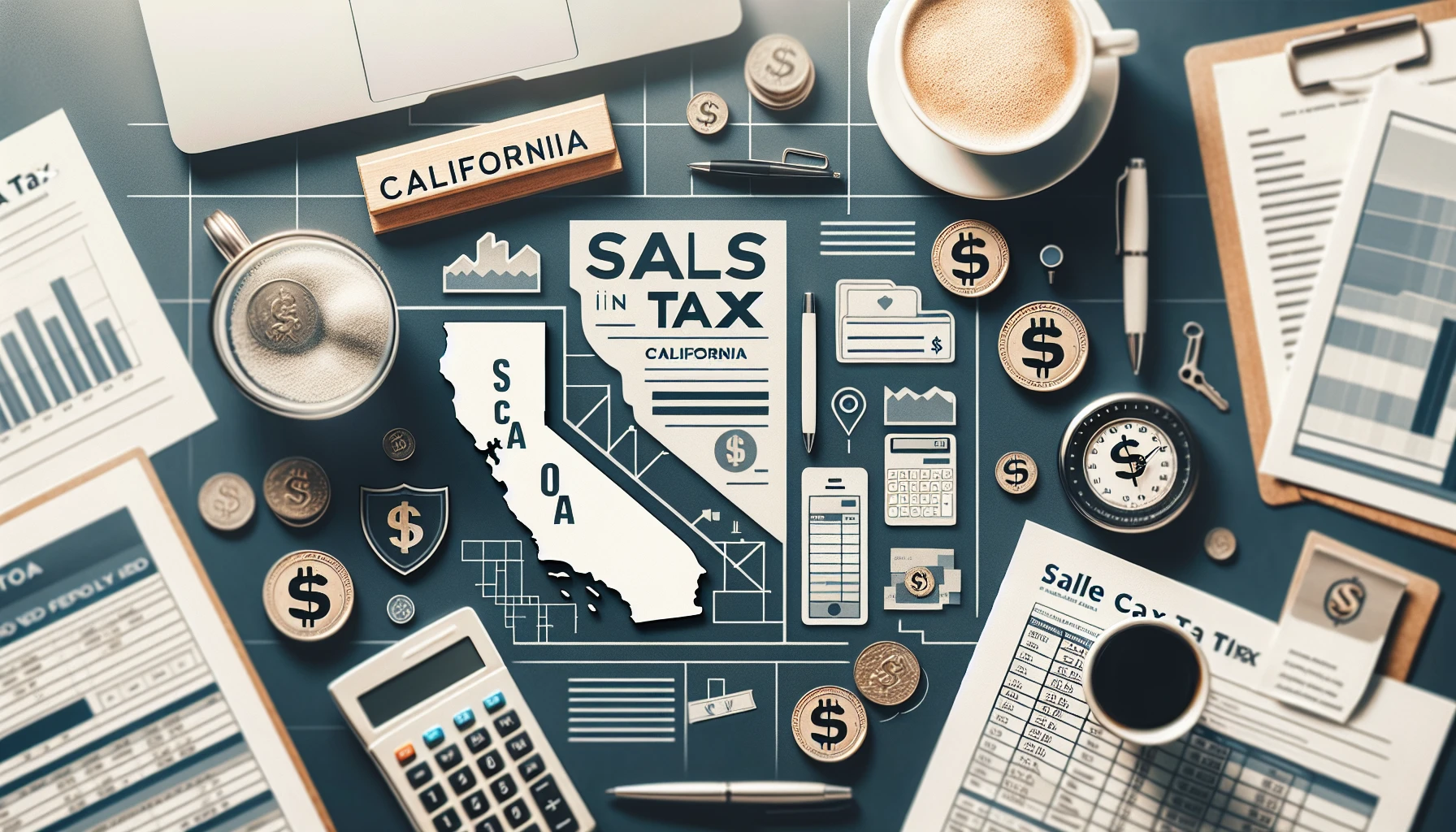
Sales tax is an essential aspect of doing business in California. It impacts both businesses and consumers, influencing purchasing decisions and business operations. This guide will help you understand the fundamentals of sales tax in California.
What is Sales Tax?
Sales tax is a consumption tax imposed by the government on the sale of goods and services. The tax is usually calculated as a percentage of the sale price and is collected at the point of sale. In California, sales tax is a combination of state, local, and district taxes.
Sales Tax Rates in California
California has a base state sales tax rate, but the total rate can vary depending on the location due to additional local and district taxes.
- State Base Rate: 7.25%
- Local and District Rates: These can add anywhere from 0.15% to 2.5% or more, depending on the specific jurisdiction.
For example, in Los Angeles County, the combined sales tax rate is 9.5%, while in San Francisco, it is 8.5%.
Who Needs to Collect Sales Tax?
Retailers
Any retailer selling tangible personal property in California is required to collect sales tax. This includes both brick-and-mortar stores and online sellers with a physical presence or economic nexus in the state.
Service Providers
Generally, services are not subject to sales tax in California, unless the service is part of the sale of tangible personal property or specifically taxable by law.
Economic Nexus
With the rise of e-commerce, economic nexus laws have become increasingly important. In California, a business that has no physical presence in the state but has sales exceeding $500,000 in a year is required to collect sales tax.
Exemptions and Exclusions
Certain items and transactions are exempt from sales tax in California. Some common exemptions include:
- Food Products: Most groceries are exempt from sales tax.
- Prescription Medicines: Prescription medications are generally exempt.
- Nonprofit Organizations: Sales to certain nonprofit organizations may be exempt.
- Resale: Items purchased for resale are not subject to sales tax, provided the buyer furnishes a valid resale certificate.
Filing and Payment
Returns
Retailers must file sales tax returns periodically, either monthly, quarterly, or annually, depending on their sales volume.
Due Dates
- Monthly: 24th of the following month
- Quarterly: Last day of the month following the end of the quarter
- Annually: January 31st for the previous year
Payment
Sales tax collected must be remitted to the California Department of Tax and Fee Administration (CDTFA) by the due date of the corresponding return.
Penalties and Interest
Late filing or payment of sales tax can result in penalties and interest. The CDTFA can impose a penalty of 10% of the tax due, plus interest on the unpaid balance.
Conclusion
Understanding and complying with sales tax regulations is crucial for businesses operating in California. By staying informed about the rates, filing requirements, and exemptions, you can ensure compliance and avoid penalties. For more detailed information, visit the California Department of Tax and Fee Administration website.
By familiarizing yourself with these guidelines, you can navigate the complexities of sales tax in California and focus on growing your business.